
Tires, Road Salt, and Michigan Winter Driving
How winter salt and worn tires affect braking, rust, and everyday driving.
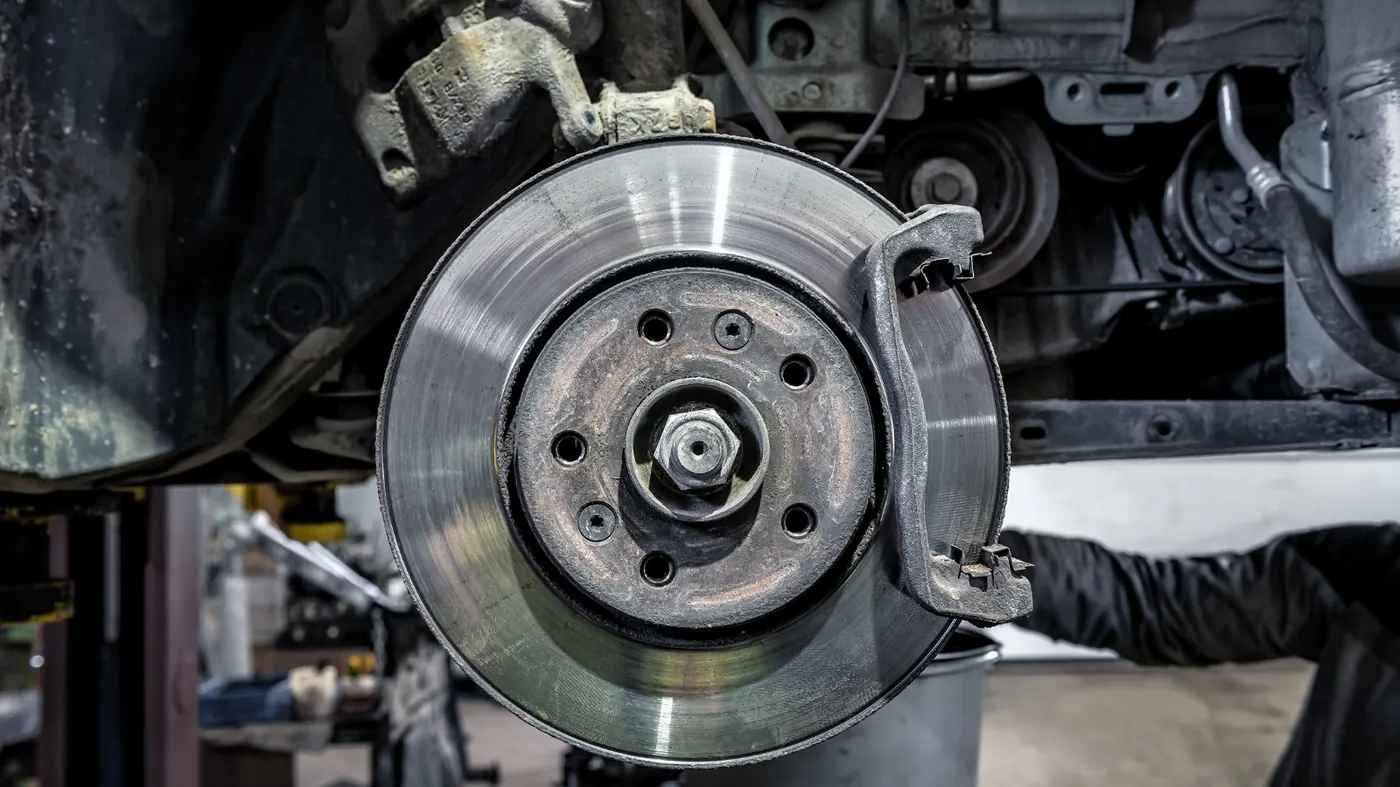
Michigan crews use salt and brine to keep winter roads passable, and most drivers are glad they do. The same treatment that melts ice also clings to tires, wheels, brake parts, and the underside of the vehicle. Over a long season, that residue can speed up corrosion and leave a film on the rubber that you will notice come spring.
Good tires are your first defense on salted, slushy pavement. Tread has to be deep enough to move water and slush out from under the contact patch. Air pressure should be checked regularly, because cold air drops the reading. Uneven wear, cracks in the sidewall, or a tire that is older than its service life are reasons to have it looked at rather than waiting for a problem on a snowy night. Paris Auto Service and Repair offers tire care, tire sales, and brake and wheel service.
It also helps to rinse the vehicle when the weather allows, especially around the wheel wells and along the undercarriage, so salt does not sit there for months. When you are in for service, ask the technician to look over the brakes and wheels if you have been hearing new noises, feeling vibration, or noticing rust scale around the rotors. Winter driving is hard on those parts.
A mid-winter or late-winter inspection is a simple way to catch a worn tire or a brake issue before it becomes a safety problem. If something feels off on the road, it is worth a call.
If you would like us to take a look, schedule service with Paris Auto Service and Repair or call (231) 796-7355.